
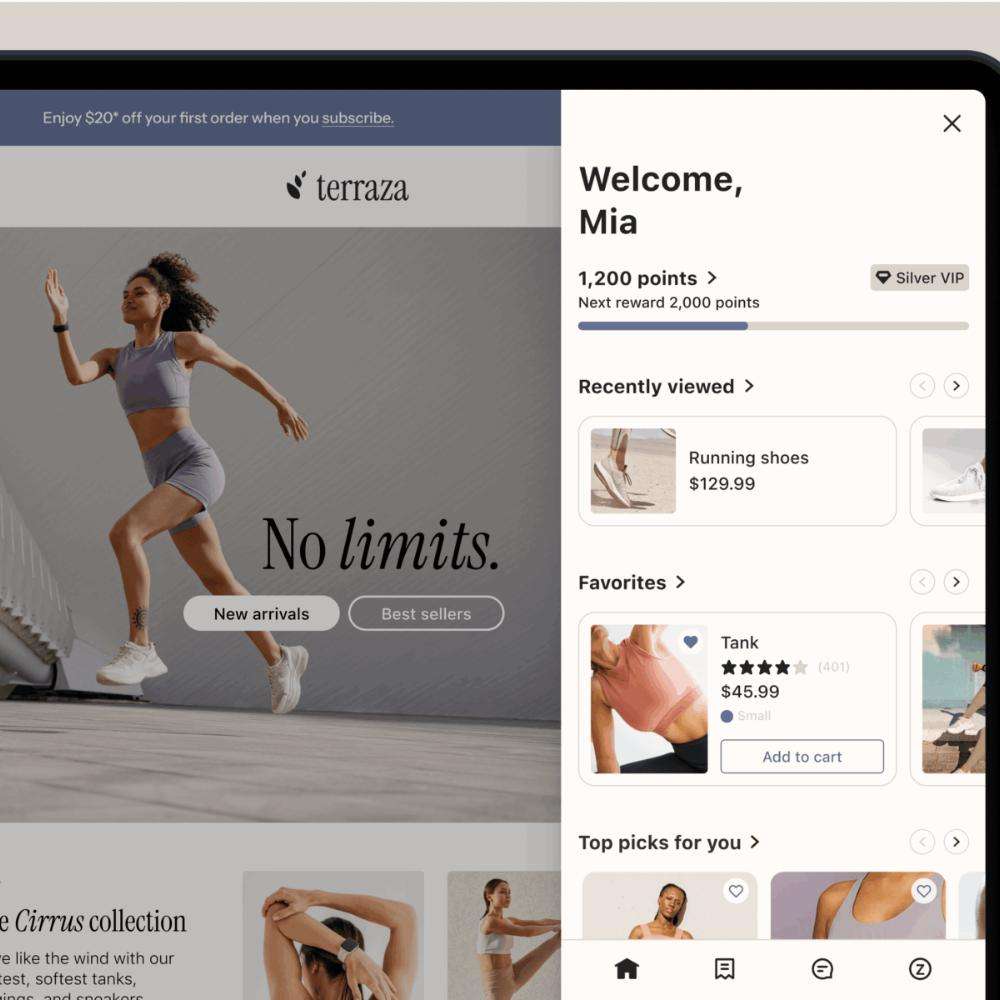
So Klaviyo quietly dropped something new in your account recently… ites called Customer Hub. And if you’ve been wondering what this is or if you should use it, you’re in the right place.
Before we get into the details of what Customer Hub is and who it’s good for I gotta admit something. I’m coming at this from a pretty skeptical perspective. It’s probably gonna be obvious so I figured I’d put that out on the table right now. I’m gonna do my best to stay objective, giving you the pros and cons so you can decide for yourself if this makes sense for your business… but if you sense a bit of skepticism in my voice… you’re not imagining it.
Prefer to listen to the episode? Click here.
Why I’m Skeptical About Klaviyo Customer Hub
So why am I skeptical? Two reasons.
First, it annoys me when SaaS platforms roll out shiny new features before they’ve perfected their core product. Yes, I know they have different teams working on different things and they can develop more than one thing at once, but like hey Klaviyo… how about letting us send someone though a segment-triggered flow more than once before you tack on customer service tools? Just sayin’
Second – and honestly this is the bigger one – is how they launched it. They rolled out Customer Hub to everyone before they even had pricing finalized. So what, they wanted you to implement it, integrate all your tools and train your customers to use it, only to later find out it wasn’t affordable and you’d have to pull the plug? That feels… sneaky.
Now, I will say the actual pricing did surprise me… in a good way. Customer Hub starts at just $30 per month for up to $10k active profiles with a 30-day free trial. And for the rest of 2025 there’s an intro price of just $20/mo. So it is super accessible.
But as a cynical New Yorker who has been known to hold a grudge, I don’t forgive them.
That said, it’s a pretty cool tool and it just might be the right move for your business, so let’s dig into what it is and whether it deserves a spot in your tech stack.
What is Klaviyo Customer Hub
At its core, Customer Hub is a souped up customer account portal.
It’s Klaviyo’s version of what Shopify already offers in their new customer accounts with the help of app extensions. A place where customers can manage their relationship with your brand including tracking their orders, reordering their favorite products, initiating returns, managing subscriptions, loyalty points, etc.
The difference is that instead of building it through Shopify using the extensions created by the apps themselves, you’re integrating those apps with Klaviyo’s Customer Hub and building it through there.
Why Use Klaviyo’s Customer Hub
While you can already build a pretty robust account experience with Shopify’s native tools and app extensions, there are a few perks to using Klaviyo’s Customer Hub specifically.
Klaviyo Favorites Feature
First, it has a built in favorites/wishlist feature, so you could potentially save on another app. Unfortunately, from what I can tell there is no way to import historical data. If you’re already using a wishlist app and your customers are engaging with it, they’d lose all their historical information. The product is technically still in beta so it’s possible that will change, but something to be aware of.
Klaviyo Product Recommendation Engine
Second, you can use Klaviyo’s product recommendation engine to show items inside of the customer hub panel. This is a great way to add a little more personalization to your website using a tool you already have instead of needing to invest in another personalization tool. It’s pretty limited as the recommendations are only visible in the hub, but it’s cool nonetheless.
Recorded Events in Klaviyo
Third, the actions your customers take in the hub are recorded in Klaviyo, allowing you to trigger flows based on that activity. For example, if you’re using the Klaviyo favorites feature you can trigger an automated email flow to remind customers about those favorited items. While this sounds super cool and advanced from the jump, the truth is most of your favorite apps already integrate with Klaviyo directly and you can already get this information attached to a customer’s profile.
Share Klaviyo Dynamic Coupons
Fourth, if you use Klaviyo’s dynamic coupon functionality, you can surface each customer’s unique code in their customer hub. These codes, when generated are attached to the user’s profile so it’s easy to surface them in the hub.
Hub Analytics Dashboard in Klaviyo
Fifth, interactions with the hub are recorded in Klaviyo. You can see how people are engaging with the hub and the revenue it’s generating.
Visually Appealing
Lastly, let’s be real – visually it’s prettier than a Shopify account layout and since it’s a widget overlay it does feel more accessible and easier to engage with.
Why I’m Not Sold
While it is an overall cool tool, there are still a bunch of reasons why I’m still not sold on it.
Another Platform with an Additional Cost
First things first, I wish they had just built app extensions that merchants could use in Shopify accounts. Why did they have to build a whole new tool that they’re going to charge you for? Klaviyo has been evolving a lot over the past few years and it’s easy to tell they’re trying to be an all in one for eCommerce stores. They’ve built this 3-pillar system of Marketing, Service, and Analytics.
While I love the sentiment and direction – it’s nice to have things all in one place – as expected when you’re trying to be too many things to too many people… you’re never the best at any of those things.
Honestly, I see them making the same mistakes a lot of companies and SaaS platforms make. I mean, it was just a few weeks ago that Yotpo decided to get rid of their email marketing platform so they could go back to doing what they do best. There’s a reason they did that, ya know?
And while I appreciate that each feature is essentially ala carte so you’re not locked into a high monthly recurring cost for a bunch of features you don’t need, it ends up having this nickel and dime feel. I realize that’s not really fair because they’re damned if they do and damned if they don’t, but like I said… I’m getting cynical about this new direction.
That said, there are also some more technical reasons why I don’t love the platform.
Account Login Requirements
Aside from saved favorites and recently viewed products, in order to really get any ROI from this, customers need to be logged in. Sure, that’s true for the Shopify account too, but you don’t have to pay extra for that. If you haven’t already trained your customers to log in when they shop, well it might be awhile before they start adopting it. And it’s really hard to change people’s behavior.
Limited Integrations
Because this product is still new, it doesn’t integrate with all your favorite tools yet. There are a good set of options so far, but it’s not all of them. If you use something that isn’t integrated with the hub, well that’s just going to confuse your customers.
Is Klaviyo Customer Hub Right for Your Business?
So the question is, is Klaviyo Customer Hub right for you? Well, that depends. First, it is currently only available for Shopify stores and does require a paid email product subscription. It’s not a standalone product.
If you meet those requirements, then you’ll want to make sure it works with the apps you use in your business. For example, reviews, rewards, subscriptions, returns, shipping, etc. Is it worth it to switch to one of the supported apps just to use their hub? Probably not.
I would also look at what % of your customers already have a customer account. Pro tip: you can ask sidekick and he’ll figure it out for you. You might be surprised by the answer. We were talking about this on our most recent Email Badassery call and one of the students had a super high account creation rate – he has an older customer, and another one we checked, not so much.
And then I’d look at their general engagement behavior. The stores that will see the most success with this will likely have a high customer return rate at a high frequency, say every 90 days or so. If they’re not on your site engaging with this tool, it’s not really going to do much for you.
The good news is, in addition to the very low cost to get started, there is also a 30-day free trial so you can activate it in your account and play around with it before making it live on your site. This will give you a chance to see how it works, confirm your favorite tools integrate with it, etc.
Alternatives to Klaviyo Customer Hub
As I mentioned earlier, a lot of what Customer Hub does can be accomplished with Shopify’s native accounts and extensions from the apps you use. If you’ve never taken the time to see what’s possible, I recommend you do that before fully committing to Klaviyo’s customer hub, especially if you’re not 110% sure it’s the right move.
In Shopify, if you go to settings > checkout at the top of the screen you’ll see a block that says configurations. Click the customize button and it will take you to the correct area of your theme customizer.
You’ll land on the checkout page, but can switch pages with the dropdown at the top of your screen. From there you can edit the thank you and order status pages, the customer account profile, and the orders page inside the customer account.
Once you navigate to the page you want to edit, click the app icon in your theme customizer – the same place you’d access your app embeds – and you’ll see the available blocks from the apps you use in your store. There might be more that you can do than you realized.
If you haven’t already make sure you install Shopify’s checkout blocks app, this is now available to all plans though some blocks are still limited to Shopify plus. And if you want some more custom banner functionality check out an app called Hubble Customer Accounts for Shopify. The free version is limited, but they do more advanced dynamic banners you can use showing different messages to different customers, etc. Granted the first paid tier is $20/mo, the same price as the first tier of Klaviyo’s Customer Hub, but if Customer Hub doesn’t integrate with all the apps you use and you just want to have some custom banner functionality it’s probably still the better investment. Plus, the price of Customer Hub increases based on the number of active profiles you have, so don’t forget to consider that.
You can also look at integrating your tools directly with Klaviyo so you can enrich customer profiles and trigger automations based on the data and actions your customers take in those apps. For example, you can integrate your subscription, loyalty, reviews, customer service, returns, etc. These will store data on customer profiles that you can use for segmentation and dynamic content, and they usually send their own events over like purchasing a subscription that you can create flows from. Your wishlist app probably integrates with Klaviyo too.
Your Next Steps
So again, is Klaviyo Customer Hub right for you? Only you can answer that question after you do your research. My gut tells me it’s just not going to be that widely applicable at the moment. From what I can tell, there’s no roadmap for upcoming integrations, so unless it already integrates with all the tools you use, it’s kind of a non-starter in my opinion.
Is it worth it to lock in the beta price? Maybe. I’ve been paying for Flodesk for years because I’m locked into their initial beta pricing in hopes that one day the platform would have all the features I need. At this point, it’s not even close and I should probably just get rid of it – but now that they’re changing their pricing model to increase with the number of subscribers you have – I really don’t want to lose my rate. Am I going to continue to pay for it even though it’s a total waste? Probably. Do I recommend you do dumb stuff like I do, probably not.
Before we go let me say this. As much as I’ve bashed on Klaviyo today, the truth is, it’s still my overall favorite email marketing platform for eCommerce. Yes, there are obviously things about it that annoy me, and while it’s not the perfect fit for everyone, it’s the best option for most. But just because I love their email product, I’m still gonna keep it real as they continue to expand their offering. Make sure you do your due diligence on all these new features and don’t get caught up in the shiny object of it all.


